
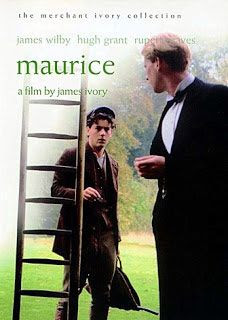
 Maurice (1987)
Director: James Ivory
Writers: E.M. Forster (from the novel by), Kit Hesketh-Harvey (screenplay),James Ivory (screenplay)
Genre: Drama
Country: UK
Language: English
Year: 1987
Duration: 140 min
Stars: James Wilby, Rupert Graves, Hugh Grant
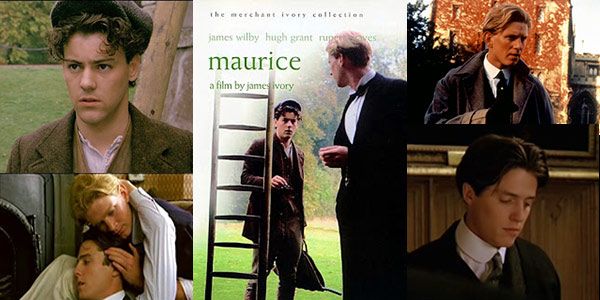
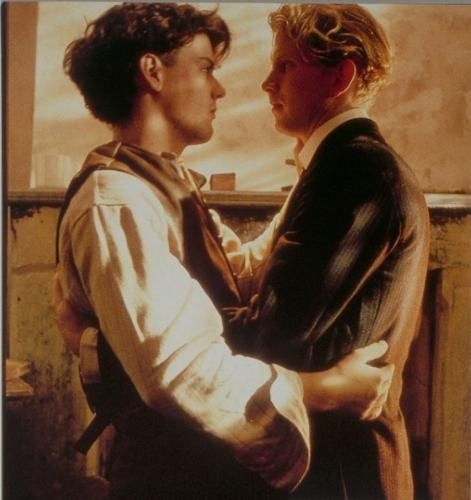 Maurice je film iz 1987. godine, snimljen po istoimenom romanu E.M. Forstera. Priča o gej ljubavi s početka 20. vijeka u Engleskoj, prati život Maurice Halla od njegovih školskih dana nadalje.
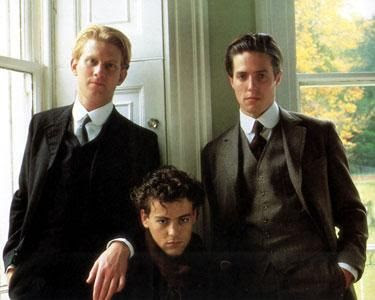
Film, u produkciji Merchant Ivory Production i Channel Four Films, režirao je James Ivory, a producirao Ismail Merchant. U glavnim ulogama su James Wilby, Hugh Grant i Rupert Graves. U sporednim ulogama se pojavljuju Denholm Elliott, Simon Callow, Billie Whitelaw i Ben Kingsley.
Radnja filma odvija se prije Prvoga svjetskog rata, kada je homoseksualnost bila zabranjena u Britaniji. Dvojica studenata s Cambridgea postaju bliski prijatelji, a zatim jednog dana jedan prizna drugomu da ga voli. Iako ga isprva odbije, Maurice (James Wilby) ipak prihvati Cliveovu izjavu te želi fizički iskazati svoje osjećaje. Clive (Hugh Grant) želi da njihova ljubav ostane platonska – aristokrat je koji je od malih nogu naučen potiskivati osjećaje i, više od svega, boji se da ih ne otkriju i ne stave na stup srama.
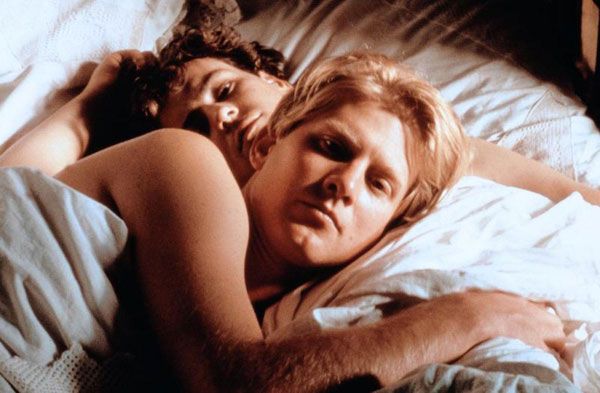
Ubrzo se vrati ustaljenoj tradiciji te se oženi. Maurice je očajan. No tada upozna Scuddera (Rupert Graves), lovočuvara na Cliveovu posjedu, te oni započnu strastvenu seksualnu vezu.
Razlike u odnosu na roman
 Maurice je na početku filma prikazan kao dečak od 11 godina, dok u romanu ima 14. U filmu su izostavljeni gotovo svi filozofski dijalozi i mnogi sporedni zapleti, kao na primer, Mauriceova zaljubljenost u školskog druga, Dickiea. U filmu je posvećeno više pažnje Risleyju, koji je osuđen na 6 meseci teškog rada zbog homoseksualnosti (u romanu nije zatvoren) kako bi se dramatizovala opasnost koju je homoseksualnost nosila u edvardijanskoj eri i da bi se obezbedio jasniji kontekst savremenoj publici zbog koga Clive oseća da mora da odbije Mauricea.
Scena poslednjeg sastanka Mauricea i Aleca prikazana je u pseudo-elizabetanskom kupatilu uz aluzije na Arts and Crafts sa kojim je povezan Edward Carpenter (E.M. Forster je dobio inspiraciju za roman kada je posetio Carpentera i njegovog partnera George Merrilla), ali i na Christophera Marlowea i Shakespearea.
 Britansko konzervativno izrazito klasno društvo ima pravilo da pokazivanje emocija mora biti strogo kontrolisano i iskazano na društveno prihvatljiv način. Licemjerno su osuđivali svakoga iz svoje "više klase" ko bi popustio svojim ljudskim nagonima i javno izrazio ljubav, oduševljenje ili starstvenost. Homoseksualnost koja je do iza drugog svjetskog rata bila osuđivana na najgore moguće načine ( vješanje, kastriranje, itd) se smatrala društveno neprihvatljivom bolešću i o njoj se moglo pričati samo kao nezamislivom grijehu starih grka od čijih filozofskih misli se izgradila današnja evropska moderna civilizacija. Naravno u višim klasnim krugovima je sve bilo malo tolerantnije ukoliko bi svoje "emocije i neprihvatljive misli zadržali u prihvatljivim okvirima, dok bi niži sloj društva bivao osuđen na smrt.
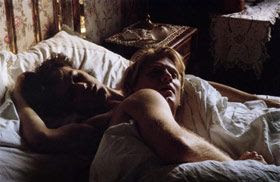 Iako je današnja Britanija uznapredovala i odbacila stavove da je homoseksualnost bolest, pravilo da se emocije pokazuju na "prikladan način" se smatra džentelmenskim. Za nas južnjake sve to može biti jako smješno, ponekad i seksi, ali najčešće razočaravajuće.
Možete li zamisliti da nakon lude noći u kojoj ste se prepustili najperverznijim željama,nagutali sperme i izjebali se ko nikad u životu vaš "džentelmen" nakon što se obukao kaže: " Bilo mi je zadovoljstvo upoznati Vas, nadam se da ćemo se sresti u nekoj prikladnijoj prilici od ove, naravno ukoliko ste i Vi spremni da produžimo naš partnerski odnos"
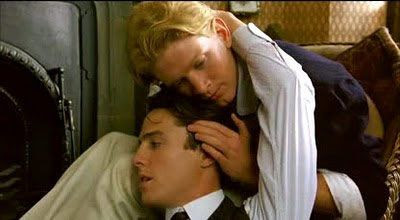 Iako se London smatra današnjom gay prijestonicom evrope, može vam desiti da dobijete upozorenje da pričanje o ubacivanju vašeg spolovila u nečiju stražnjicu nije prihvatljivo i da je ustvari tako nešto očekivano samo od primitivne klase ljudi.
 Ipak iako je kulturološka razlika britanskog i balkanskog mentaliteta drastično velika, sličnosti se ipak svode na emocijama koje su sastavni dio svakog ljudskog bića. U ovom slučaju ljubav, strast i strah od odbačenosti i neuspjeha u društvu.
Bez obzira da li vaša okolina homoseksualnost tretira kao bolest ili ne, kao gej u nekoj od balkanskih država morate biti svjesni da vaša različitost mora biti iskazana na društveno prihvatljivi način kako bi mogli biti prihvaćeni kao osoba vrijedna poštovanja bez obzira na seksualnu orjentaciju. Biti outovan ili ne, stvar je vaše lične procjene, ali ovog ovog pravila se uvjek pridržavajte.
”England has always been disinclined to accept human nature” – E.M. Forster
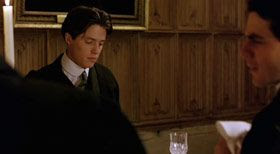 1909. Maurice Hall (James Wilby) is an undergraduate at Kings College, Cambridge. While there, he meets and falls in love with Clive Durham (Hugh Grant). Although they are very close, and continue to be so after University, their love is never consummated. But then Clive, scared by the arrest on an immorality charge of a University friend who later commits suicide, breaks off their relationship, leaving Maurice devastated….
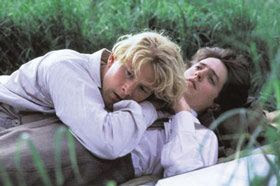 E.M. Forster wrote Maurice around 1914 but due to concerns about the acceptability of its subject matter, he didn’t let it be published until after his death. The novel finally appeared in 1971. It’s usually considered one of his weaker novels, but as is often the way, the lesser novel makes for a better film. In my mind it’s the best of the three films Merchant Ivory made from Forster’s work, and one of their best films overall.
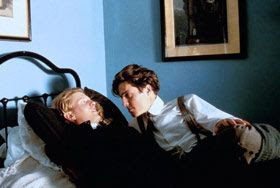 Why is this? There’s a case to be made that Forster as a novelist was crippled by his own sexual orientation, to which he never adjusted. (And let’s not forget that male homosexuality was illegal in Britain until 1967, leaving gay men open to blackmail and long prison sentences, not to mention possible Oscar Wilde-like public disgrace.) Maurice was clearly a very personal work, to which he rather sentimentally gave a happy ending. As Merchant and Ivory are a gay couple of long standing, you can see how this would appeal to them. I’m not sure if Ivory is correct in claiming that this film was the first unapologetic gay love story (complete with brief full-frontal male nudity), with his hero not suicidal at the end but happily in a relationship with gamekeeper Alec Scudder (Rupert Graves), one that cuts across class barriers as well as sexual ones. But it’s certainly an early example of such a film. It’s hard to imagine Merchant Ivory as radical filmmakers, but just this once, in their oh-so-discreet and polite way, they may have slipped something subversive past their audience. Seventeen years later – and I speak as someone who saw Maurice on its cinema release – it may be hard to realise what the fuss was about. But back in 1987, the AIDS epidemic was only six years old, and as Ivory says if Maurice had been made very much earlier it might have attracted more condemnation than it did.
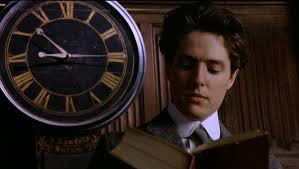 Many Merchant Ivory films are full of surface pleasures: sumptuous costume and production design and camerawork, making a relatively small budget seem much larger, not to mention literate dialogue and fine performances from some very distinguished actors. But what is often missing is passion: you don’t sense an overwhelming urge to make this film rather than something else. That isn’t the case with Maurice though, which is constantly engaging and in places quite moving if a little overlong. Merchant Ivory’s usual scriptwriter Ruth Prawer Jhabvala was committed to a novel at the time and didn’t feel comfortable with the subject matter, so the screenplay is the work of Kit Hesketh-Harvey (of cabaret act Kit and the Widow) and Ivory. As Hesketh-Harvey admits, much of the dialogue comes straight from the book.
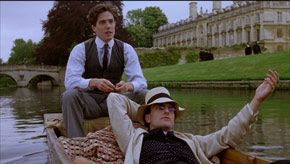 Apart from the central three (and Graves doesn’t appear until after the halfway mark), most of the roles are little more than adroitly-played cameos. (Helena Bonham Carter turns up uncredited as a spectator at a cricket match.) Although Wilby and Graves are excellent, it’s Hugh Grant’s Clive on which the film turns. Grant has played the silly-ass dithering Englishman a few too many times in Four Weddings and a Funeral and its follow-ups, so it’s easy to forget how good an actor he can be. Clive is one of his best roles, along with another gay role in the little-seen An Awfully Big Adventure. Clive’s platonic love for Maurice dominates the first half of the film and it’s Clive’s crisis of conscience which causes the key event in the film, when he rejects Maurice. Although we see Maurice leave for a hopefully happy future as a gay man, we end the film with Clive. As he gazes out of a window, the camera looks in at him, his wife Anne (a deft performance of uncloying sweetness from Phoebe Nicholls, an actress much underused by the British Film Industry) clearly in love with him but he will never be able to reciprocate, the frame of the window like the bars of a prison of his own making.
Visit: Orvel.Me


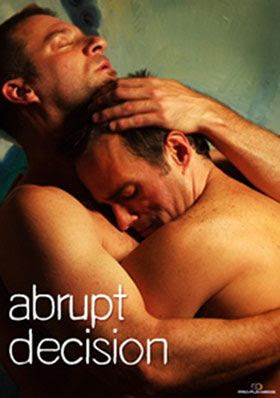 Abrupt Decision (2011)
 Denis jedno jutro ostaje bez posla na kojem je proveo punih 11 godina. U trenutku se njegov život promjenio i upada u krizu srednjih godina. Kojim putem da nastavi. Iako ga njegov partner pordzava u njegovim naporima da stabilizuje život, Denis se nekako osjeća pogubljeno sve dok u jednom parku ne ugledana napuštenog psa. Iako je bez novaca i uslova da zadrži psa odluči da se pobrine o njemu.
 Denis is having a rotten week. He just lost his job of 11 years. His relationship is gone stale, and rocky. His Mother, a sweet and overbearing woman, is seriously ill. With all the turmoil going on around him, what does Mom suggest? "Get a dog." But when Dennis goes to the pound and can't decide which dog he wants, the one he finally chooses is gone when he goes back. When he finds out why, Dennis decides exactly what his modern mid-life crisis needs.
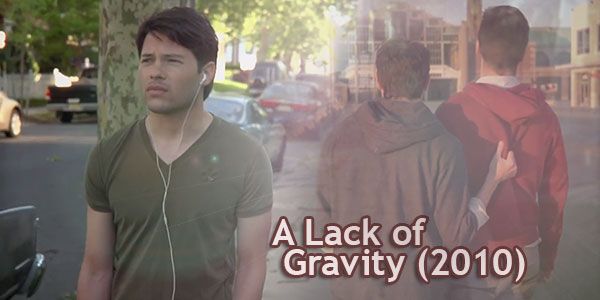
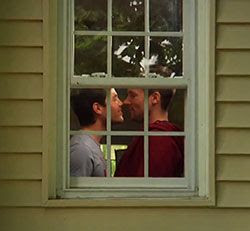 Jared i Christian su gay par koji živi mirnom predgrađu. Vole se i žive zajedno i pokušavaju da svoju sreću podjele sa drugima. Međutim da li svi prijatelji jednako prihvataju njihovu vezu? Ako ih ne smatraju ravnim sebi onda to i nisu pravi prijatelji. Smiju li javno pokazati svoju ljubav ili te emocije mogu ispoljiti samo u četiri zida? Kada Christian doživi napad homofoba stvari postaju mnogo jasnije.
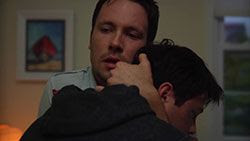 With a new partner and a quiet life in the suburbs, Jared finds himself tackling new obstacles. How does he live his life as a dignified gay man in a society that does not consider him equal? And how will he handle his partner's constant need to censor any public affection? One horrific event forces them both to figure it out. The finale piece in this trilogy of short films, 'A Lack of Gravity' explores homophobia, activism and gay rights in America. Continuing in the series' format, documentary audio of gay men discussing their experiences with homophobia acts as the film's narration.