Showing posts with label Year:1987. Show all posts

14 March 2013

Maurice (1987)

Maurice (1987)

Director: James Ivory
Writers: E.M. Forster (from the novel by), Kit Hesketh-Harvey (screenplay),James Ivory (screenplay)
Genre: Drama
Country: UK
Language: English
Year: 1987
Duration: 140 min

Stars: James Wilby, Rupert Graves, Hugh Grant
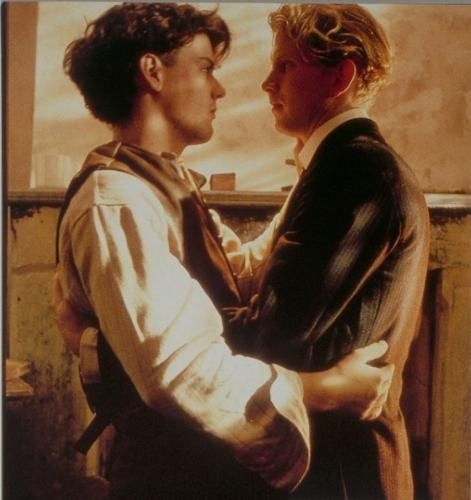


Maurice je film iz 1987. godine, snimljen po istoimenom romanu E.M. Forstera. Priča o gej ljubavi s početka 20. vijeka u Engleskoj, prati život Maurice Halla od njegovih školskih dana nadalje.

Film, u produkciji Merchant Ivory Production i Channel Four Films, režirao je James Ivory, a producirao Ismail Merchant. U glavnim ulogama su James Wilby, Hugh Grant i Rupert Graves. U sporednim ulogama se pojavljuju Denholm Elliott, Simon Callow, Billie Whitelaw i Ben Kingsley.

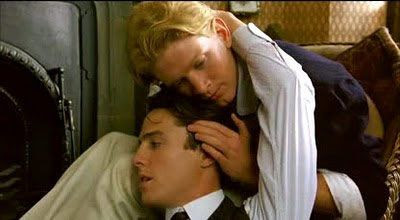
Radnja filma odvija se prije Prvoga svjetskog rata, kada je homoseksualnost bila zabranjena u Britaniji. Dvojica studenata s Cambridgea postaju bliski prijatelji, a zatim jednog dana jedan prizna drugomu da ga voli. Iako ga isprva odbije, Maurice (James Wilby) ipak prihvati Cliveovu izjavu te želi fizički iskazati svoje osjećaje. Clive (Hugh Grant) želi da njihova ljubav ostane platonska – aristokrat je koji je od malih nogu naučen potiskivati osjećaje i, više od svega, boji se da ih ne otkriju i ne stave na stup srama.

Ubrzo se vrati ustaljenoj tradiciji te se oženi. Maurice je očajan. No tada upozna Scuddera (Rupert Graves), lovočuvara na Cliveovu posjedu, te oni započnu strastvenu seksualnu vezu.


Razlike u odnosu na roman
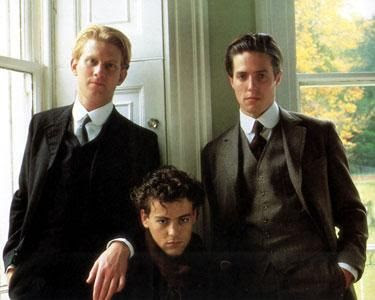
Maurice je na početku filma prikazan kao dečak od 11 godina, dok u romanu ima 14. U filmu su izostavljeni gotovo svi filozofski dijalozi i mnogi sporedni zapleti, kao na primer, Mauriceova zaljubljenost u školskog druga, Dickiea. U filmu je posvećeno više pažnje Risleyju, koji je osuđen na 6 meseci teškog rada zbog homoseksualnosti (u romanu nije zatvoren) kako bi se dramatizovala opasnost koju je homoseksualnost nosila u edvardijanskoj eri i da bi se obezbedio jasniji kontekst savremenoj publici zbog koga Clive oseća da mora da odbije Mauricea.

Scena poslednjeg sastanka Mauricea i Aleca prikazana je u pseudo-elizabetanskom kupatilu uz aluzije na Arts and Crafts sa kojim je povezan Edward Carpenter (E.M. Forster je dobio inspiraciju za roman kada je posetio Carpentera i njegovog partnera George Merrilla), ali i na Christophera Marlowea i Shakespearea.
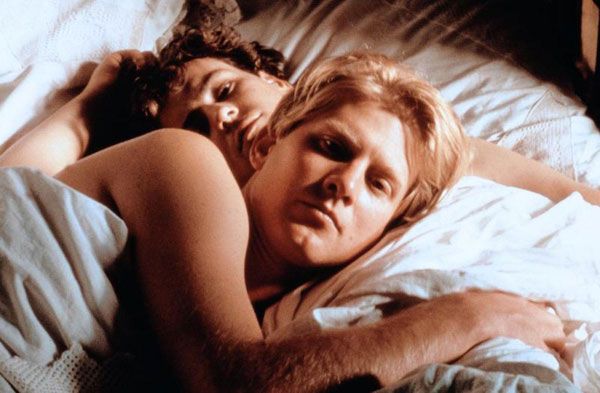

Britansko konzervativno izrazito klasno društvo ima  pravilo da pokazivanje emocija mora biti strogo kontrolisano  i iskazano na društveno prihvatljiv način. Licemjerno su osuđivali svakoga iz svoje "više klase" ko bi popustio svojim ljudskim nagonima i javno izrazio ljubav, oduševljenje ili starstvenost. Homoseksualnost koja je do iza drugog svjetskog rata bila osuđivana na najgore moguće načine ( vješanje, kastriranje, itd) se smatrala društveno neprihvatljivom bolešću i o njoj se moglo pričati samo kao nezamislivom grijehu starih grka od čijih filozofskih misli se izgradila današnja evropska moderna civilizacija. Naravno u višim klasnim krugovima je sve bilo malo tolerantnije ukoliko bi svoje "emocije i neprihvatljive misli zadržali u prihvatljivim okvirima, dok bi niži sloj društva bivao osuđen na smrt.
Iako je današnja Britanija uznapredovala i odbacila stavove da je homoseksualnost bolest, pravilo da se emocije pokazuju na "prikladan način" se smatra džentelmenskim. Za nas južnjake sve to može biti jako smješno, ponekad i seksi, ali najčešće razočaravajuće.
Možete li zamisliti da nakon lude noći u kojoj ste se prepustili najperverznijim željama,nagutali sperme i izjebali se ko nikad u životu vaš "džentelmen" nakon što se obukao kaže: " Bilo mi je zadovoljstvo upoznati Vas, nadam se da ćemo se sresti u nekoj prikladnijoj prilici od ove, naravno ukoliko ste i Vi spremni da produžimo naš partnerski odnos"
Iako se London smatra današnjom gay prijestonicom evrope, može vam desiti da dobijete upozorenje da pričanje o ubacivanju vašeg spolovila u nečiju stražnjicu nije prihvatljivo i da je ustvari tako nešto očekivano samo od primitivne klase ljudi.


Ipak iako je kulturološka razlika britanskog i balkanskog mentaliteta drastično velika, sličnosti se ipak svode na emocijama koje su sastavni dio svakog ljudskog bića. U ovom slučaju ljubav, strast i strah od odbačenosti i neuspjeha u društvu.
Bez obzira da li vaša okolina homoseksualnost tretira kao bolest ili ne, kao gej u nekoj od balkanskih država morate biti svjesni da vaša različitost mora biti iskazana na društveno prihvatljivi način kako bi mogli biti prihvaćeni kao osoba vrijedna poštovanja bez obzira na seksualnu orjentaciju. Biti outovan ili ne, stvar je vaše lične procjene, ali ovog ovog pravila se uvjek pridržavajte.


”England has always been disinclined to accept human nature” – E.M. Forster

1909. Maurice Hall (James Wilby) is an undergraduate at Kings College, Cambridge. While there, he meets and falls in love with Clive Durham (Hugh Grant). Although they are very close, and continue to be so after University, their love is never consummated. But then Clive, scared by the arrest on an immorality charge of a University friend who later commits suicide, breaks off their relationship, leaving Maurice devastated….
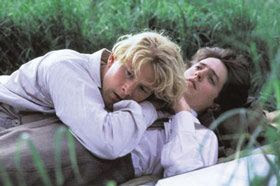
E.M. Forster wrote Maurice around 1914 but due to concerns about the acceptability of its subject matter, he didn’t let it be published until after his death. The novel finally appeared in 1971. It’s usually considered one of his weaker novels, but as is often the way, the lesser novel makes for a better film. In my mind it’s the best of the three films Merchant Ivory made from Forster’s work, and one of their best films overall.
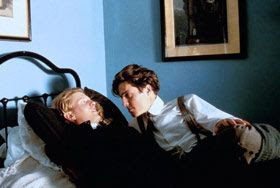
Why is this? There’s a case to be made that Forster as a novelist was crippled by his own sexual orientation, to which he never adjusted. (And let’s not forget that male homosexuality was illegal in Britain until 1967, leaving gay men open to blackmail and long prison sentences, not to mention possible Oscar Wilde-like public disgrace.) Maurice was clearly a very personal work, to which he rather sentimentally gave a happy ending. As Merchant and Ivory are a gay couple of long standing, you can see how this would appeal to them. I’m not sure if Ivory is correct in claiming that this film was the first unapologetic gay love story (complete with brief full-frontal male nudity), with his hero not suicidal at the end but happily in a relationship with gamekeeper Alec Scudder (Rupert Graves), one that cuts across class barriers as well as sexual ones. But it’s certainly an early example of such a film. It’s hard to imagine Merchant Ivory as radical filmmakers, but just this once, in their oh-so-discreet and polite way, they may have slipped something subversive past their audience. Seventeen years later – and I speak as someone who saw Maurice on its cinema release – it may be hard to realise what the fuss was about. But back in 1987, the AIDS epidemic was only six years old, and as Ivory says if Maurice had been made very much earlier it might have attracted more condemnation than it did.
Many Merchant Ivory films are full of surface pleasures: sumptuous costume and production design and camerawork, making a relatively small budget seem much larger, not to mention literate dialogue and fine performances from some very distinguished actors. But what is often missing is passion: you don’t sense an overwhelming urge to make this film rather than something else. That isn’t the case with Maurice though, which is constantly engaging and in places quite moving if a little overlong. Merchant Ivory’s usual scriptwriter Ruth Prawer Jhabvala was committed to a novel at the time and didn’t feel comfortable with the subject matter, so the screenplay is the work of Kit Hesketh-Harvey (of cabaret act Kit and the Widow) and Ivory. As Hesketh-Harvey admits, much of the dialogue comes straight from the book.
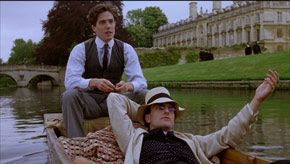
Apart from the central three (and Graves doesn’t appear until after the halfway mark), most of the roles are little more than adroitly-played cameos. (Helena Bonham Carter turns up uncredited as a spectator at a cricket match.) Although Wilby and Graves are excellent, it’s Hugh Grant’s Clive on which the film turns. Grant has played the silly-ass dithering Englishman a few too many times in Four Weddings and a Funeral and its follow-ups, so it’s easy to forget how good an actor he can be. Clive is one of his best roles, along with another gay role in the little-seen An Awfully Big Adventure. Clive’s platonic love for Maurice dominates the first half of the film and it’s Clive’s crisis of conscience which causes the key event in the film, when he rejects Maurice. Although we see Maurice leave for a hopefully happy future as a gay man, we end the film with Clive. As he gazes out of a window, the camera looks in at him, his wife Anne (a deft performance of uncloying sweetness from Phoebe Nicholls, an actress much underused by the British Film Industry) clearly in love with him but he will never be able to reciprocate, the frame of the window like the bars of a prison of his own making.

Visit: Orvel.Me

26 September 2012

Law of Desire (1987)


69-ley-deseoLaw of Desire (1987)
La ley del deseo (original title)

Director: Pedro Almodóvar
Writers: Pedro Almodóvar (screenplay), Pedro Almodóvar (story)
Genre: Drama Country: Spain
Language: Spanish With subtitles)
Year: 1987
Duration: 102 min

Stars: Eusebio Poncela, Carmen Maura and Antonio Banderas


MyPhoto-080517-05Jeste li kada doživjeli da se neko toliko jako zaljubi u vas da to počne da vas guši. Opsjednut vama, lik kojeg volite počne da vam smeta i ne možete više da normalno funkcionišete.
Ja sam to doživio dva puta. U jednom slučaju nisam znao više na koju stranu da gledan. Idemo ulicom , a on mi prebacuje: “Vidio sam kako ga gledaš, ti bi da možeš sutra bio sa njim. ”
Jezivo, kada primjetite da se neko tako ludački ponaša, moja preporuka je da bježite glavom bez obzira inače će vam se život pretvoriti u pakao!


MyPhoto-080517-20Pedro Almodóvar , jedan od najboljih Evropskih režisera i ovim filmom me je ostavio bez daha. Drama koji sam odgledao bez da palim cigaretu!
O samom filmu neći mnogo pisati, ko poznaje Almodovarove filmove zna koliko je doživljaj njegovih filmova intimna stvar. Sto ljudi će ih doživjeti na sto načina i svako će u nekom dijelu naći sebe!
Glavnu ulogu u ovom filmu igra fantastični Antonio Banderas, koji tako dobro glumi opsjednutog pedera da na trenutak pomislite kako je i u stvarnom životu ovejana pederčina.
Zanimljiva je scena gdje ga jedan lik jebe u krevetu, a najupečatljivija mi je poslednja scena ovog remek djela.


4368-lawoeuvre2Almodóvar solidified his creative independence when he started the production company El Deseo, together with his brother Agustín, who has also had several cameo roles in his films. From 1986 on, Pedro Almodóvar has produced his own films.
The first movie that came out from El Deseo was the aptly named Law of Desire (La Ley del Deseo). The film has an operatically tragic plot line and is one of Almodóvar’s richest and most disturbing movies. The narrative follows three main characters: a gay film director who embarks on a new project; his sister, an actress who used to be his brother (played by Carmen Maura), and a repressed murderously obsessive stalker (played by Antonio Banderas).
MyPhoto-080517-23The film presents a gay love triangle and drew away from most representations of homosexuals in films. These characters are neither coming out nor confront sexual guilt or homophobia; they are already liberated, like the homosexuals in Fassbinder’s films. Almodóvar said about Law of Desire : ” It’s the key film in my life and career. It deals with my vision of desire, something that’s both very hard and very human. By this I mean the absolute necessity of being desired and the fact that in the interplay of desires it’s rare that two desires meet and correspond”


4367-lawoeuvre1 (1)
Almodóvar’s films rely heavily on the capacity of his actors to pull through difficult roles into a complex narrative. In Law of Desire Carmen Maura plays the role of Tina, a woman who used to be a man. Almodóvar explains: “Carmen is required to imitate a woman, to savour the imitation, to be conscious of the kitsch part that there is in the imitation, completely renouncing parody, but not humour”.
Elements from Law of Desire grew into the basis for two later films: Carmen Maura appears in a stage production of Cocteau’s The Human Voice, which inspired Almodóvar’s next film, Women on the Verge of a Nervous Breakdown; and Tina’s confrontation scene with an abusive priest formed a partial genesis for Bad Education.


  La ley del deseo (1987)
  • Director: Pedro Almodóvar
  • Writers:
    Pedro Almodóvar       
    Pedro Almodóvar       
  • Country:Spain
  • Genres:Comedy, Drama, Romance
  • Runtime:102 minutes
  • Actors:
    Pablo Quintero
    Eusebio Poncela
    Tina Quintero
    Carmen Maura
    Antonio Benítez
    Antonio Banderas
    Juan Bermúdez
    Miguel Molina
    Inspector de policía
    Fernando Guillén
    Ada, niña
    Manuela Velasco
    Doctor Martín
    Nacho Martínez
    Ada - madre (as Bibí Andersen)
    Bibiana Fernández
    Madre de Antonio
    Helga Liné
    El Cura
    Germán Cobos
  • Language:Spanish
  • Plot: Pablo and Tina have complicated sexual lives. Pablo writes and directs plays and films; he's gay and deeply in love with Juan, a young man who won't reply to Pablo's affection or letters. Pablo's sibling Tina is a transsexual, angry at men, raising Ada, and trying to make it as an actress. Pablo takes up with Antonio, a youth who becomes jealous of Pablo's love for Juan. Antonio seeks out Juan, and violence leads to Pablo's grief and a temporary loss of memory. When memory returns, he learns that Antonio has taken up with Tina. In horror, he hurries to Tina's rescue and must face Antonio and his desire. Written by
  • Also known as: A Lei do Desejo (Brazil), A Lei do Desejo (Portugal), A vágy törvénye (Hungary - imdb display title), Begärets lag (Sweden - imdb display title), Das Gesetz der Begierde (West Germany), De wet van de begeerte (Belgium - imdb display title, Flemish title), Intohimon laki (Finland), La legge del desiderio (Italy), La loi du désir (France), Law of Desire (International - imdb display title, English title), O nomos tou pothou (Greece - transliterated ISO-LATIN-1 title), Prawo pozadania (Poland),
  • Rating:  (4,875 votes)

27 June 2012

Two Of US (1987)


tofcTwo of Us (1987)


Director: Roger Tonge Writer: Leslie Stewart
Genre: Drama
Country: UK
Year: 1987


Stars: Jason Rush, Lee Whitlock and Jenny Jay


Ovaj film u produkciji BBC Schools je trebao biti dio nastave u britanskim srednjim školama, a u cilju obrazovanja o seksualnoj orijentaciji i različitim aspektima gledanja na to.
Nakon što je britansko ministarstvo prosvjete zabranilo da se ovaj film prikazuje u školama BBC ga je prikazao u kasnijim noćnim satima na jednom od svojih TV kanala.
I sve ovo nebi bilo nimalo čudno da se dešavalo 70-tih ili 60-tih godina, ali film i ovi događaji oko njega su se dešavali 1987 godine u vremenu kada je homoseksualnost prestala biti tabu tema.Naime 1987 godine u V.Britaniji je donešen zakon kojim je lokalnm samoupravama i školama bilo zabranjeno "promovisanje homoseksualnosti kao normalng načina života" kako bi se odbranili od "grabežljivih" homoseksualaca. (section 28)
Zakon je ukinut tek 2003. iako tužilaštvo nikada nije donijelo ni jednu presudu po njemu.
Naivni dječači film o ljubavi između dva školska duga, bez nekih eksplicitnih scena je te godine izazvao burne reakcije javnosti u britanskom kraljevstu ponajviše zbog toga što je većinsko mišljene tog vremena bilo da se o gay seksu ne može učiti u školama.

Podsjetio me je na neke moje dječake dane kada sam se sa najboljim prijateljem krio u plakaru da bi radili one stvari. Bilo nam je sjajno i uživali smo da imitiramo ono što je bilo rezarvisano samo za mame i tate.


5072Two of Us is a 1987 gay-themed BBC television film written by Leslie Stewart and directed by Roger Tonge. It was produced as part of the BBC Schools SCENE series, and intended for young adults. It confronted the Thatcherite government's attempt to ban gay sex education in schools via the controversial (and since repealed) section 28 legislation.Given this backdrop, the BBC opted not to show it during the day and it was screened at night, even though it was originally created for a school audience.
The film centres on the life of Phil, a fun loving student in his final year at British secondary school. He is currently going steady with girlfriend Sharon, whose best friend Vera (an early role for Kathy Burke) just happens to have the hots for his best mate Matthew. However, Matthew is gay, and dropped out of school the previous year as a means of escaping the abuse of the classroom, only for the discovery of his collection of soft-core gay porn to cause him problems at home as well. Matthew is an ardent swimmer - an opportunity for the film to immediately use and confront an obvious stereotype.

touPhil is torn between the realisation that whilst he loves Sharon, he equally has feelings for Matthew. He tries to have it both ways, introducing the one to the other - prompting Vera to describe him as a "little worm" when Sharon runs off in distress. Tired of the complications of life at home, Phil and Matthew decide to elope to the coastal resort of Seaford on the Sussex coast. Sharon follows him, determined to regain her "fella".
The film has two endings. In the original 1987 release, Phil returns to Matthew at the beach, and they run together into the ocean. The film was re-released in 1988 with an ending where Phil appears to leave with Sharon, but Matthew decides that life must go on and that he is his own person.

tof


Visit: Orvel.Me

08 November 2008

Prick Up Your Ears (1987)


Prick Up Your Ears (1987)

Jeste li čuli za Joe Ortona? Da budem iskren do ovog filma nisam ni ja! Pisac, novelist, homoseksualac koji je svoga 25-togodišnjeg partnera Kenneth Halliwella upoznao sa 17 godina. Kako li su se samo našli, Joe nestabilan, seksualno nezasit, sklon avanturama i eksperimentisanju, a Kenneth nesiguran u sebe i povučen. Film nas vodi kroz život ova dva pedera 60-tih godina u Londonu, kada je jebanje medju muškarcima bilo zakonom zabranjemo i kažnjivo. Frustrijajuće su scene gay podzemlja u kojima se pederi ko štakori sakupljaju u nekakvim podrumskim WC-ima, pa gase i ono malo sijalica kako bi jedan drugoga trpali u mraku! Koja razlika u odnosu na današnje doba.
Kada su se upoznali, Kenneth je kao stariji bio svjesniji sebe i svoje homoseksualnosti, a Joe je bio kao izgubljeno derište koje bi sve da proba, bar dok se ne opeče. A opekao se kada je prvi put završio u krevet sa svojim drugarom koji mu je očito uzeo nevinost. Mada se u filmu baš i ne vidi koju ulogu u seksu voli da igra! Kenneth je želio da bude glumac, pisac, novelista, ali onako nesiguran u sebe ni u čemu nije uspjevao. Kada se Joe Orton počeo da piše i pored svih teškoća u koje je upadao, bio je uspješniji i snalažljiviji. Kako je imao sve više uspjeha kao pisac, a i u kontaktima sa menadžerima i izdavačima, na neki način je njegov partner ostajao po strani. Predstavljajuči se kao asistent ili skoro pa batler u zajedničkom stanu po čijim zidovima je lijepio slike tada poznatih glumica.
Vrhunac svega je kada je Joe otišao na banket organizovan u njegovu čast sa svojim agentom, a Kennetha ostavio kući.
Njihov odnos je inače dublje prirode i nije vezan isključivo za sek. Joe je svoje seksualne potrebe zadovoljavao po toaletima i po smrdljivim mjestima, tako da zadnjih godina i nije imao potrebu za seksom sa već oćelavljenim Kennethom.
Očito je da je njihov međusobni odnos bio drugačije prirode i emocionalno teško razjašnjiv. Kada bi se sada time bavio u ovom tekstu bih morao napisati cjelu psihološku studiju o odnosu između njih.
Kennethova potčinjenost Ortonu i potpuni gubitak samopouzdanja na kraju prelazi u bolesnu posesivnost koja i dovela da zauvijek i ostanu zajedno.
U nastupu ludila kada ga je Joe pitao šta misli o tome da raskinu, Kenneth mu je na svirep način presudio, a zatim se i sam ubio.
Film ne spada u kategoriju lakih priča, te ga nemojte ni početi gledati ako zaista niste raspoloženi za ovu vrstu ekranizovanih biografija.
Uzgred povremeno film izgleda kao neka ekranizovana brodvejska priča iako to nije!


Director: Stephen Frears
Writers: Alan Bennett (writer)
John Lahr (book)

Genre: Biography | Comedy |

Plot Keywords: Gay Lead Character | Homosexual | Love | Murder | Theater

Cast:

Gary Oldman ... Joe Orton
Alfred Molina ... Kenneth Halliwell
Vanessa Redgrave ... Peggy Ramsay
Frances Barber ... Leonie Orton
Janet Dale ... Mrs. Sugden
Julie Walters ... Elsie Orton
Bert Parnaby ... The Magistrate
Margaret Tyzack ... Madame Lambert
Lindsay Duncan ... Anthea Lahr
Wallace Shawn ... John Lahr

Runtime: 111 min
Country: UK
Language: English


For all of their years together, Joe Orton and Kenneth Halliwell lived in a cramped room in the north of London, up near the Angel tube stop where everything seems closer to hell. Even after Orton became famous, even after his plays were hits and he was winning awards and his picture was in the papers, he came home to the tiny hovel where Halliwell was waiting. One night he came home and Halliwell hammered him to death and killed himself.

"Prick Up Your Ears" is the story of Orton and Halliwell and the murder. They say that most murderers are known to their victims. They don't say that if you knew the victims as well as the murderer did, you might understand more about the murder, but doubtless that is sometimes the case. This movie opens with a brutal, senseless crime. By the time the movie is over, the crime is still brutal, but it is possible to comprehend.

When they met, Orton was 17, Halliwell was 25 and they both wanted to be novelists. They were homosexuals, but sex never seemed to be at the heart of their relationship. They lived together, but Orton prowled the night streets for rough trade and Halliwell scolded him for taking too many chances. Orton was, by all accounts, a charming young man - liked by everybody, impish, rebellious, with a taste for danger. Halliwell, eight years older, was a stolid, lonely man who saw himself as Orton's teacher.

He taught him everything he could. Then Orton used what he'd learned to write plays that drew heavily on their life together. His big hits were "Loot" and "What the Butler Saw," and both are still frequently performed. But when Orton won the Evening Standard's award for the play of the year - an honor like the Pulitzer Prize - he didn't take Kenneth to the banquet, he took his agent.

Halliwell began to feel that he was receiving no recognition for what he saw as the sacrifice of his life. He dabbled in art and constructed collages out of thousands of pictures clipped from books and magazines. But his shows were in the lobbies of the theaters presenting Joe's plays, and people were patronizing to him. That began to drive him mad.

"Prick Up Your Ears" is based on the biography that John Lahr wrote about Orton, a biography that has become famous for discovering a private life so different from the image seen by the public.

Homosexuality was a crime in the 1960s in England, but Orton was heedless of the dangers. In fact, he seemed to enjoy danger. Perhaps that was why he kept Halliwell around, because he sensed the older man might explode. More likely, though, he kept him out of loyalty and indifference and didn't fully realize how much he was hurting him. One of the early scenes in the film shows Halliwell skulking at home, angry because Orton is late for dinner.

The movie is good at scenes like that. It has a touch for the wound beneath the skin, the hurt that we can feel better than the person who is inflicting it. The movie is told as sort of a flashback, with the Lahr character interviewing Orton's literary agent and then the movie spinning off into memories of its own.

The movie is not about homosexuality, which it treats in a matter-of-fact manner. It is really about a marriage between unequal partners. Halliwell was, in a way, like the loyal wife who slaves at ill-paid jobs to put her husband through medical school, only to have the man divorce her after he's successful because they have so little in common - he with his degree, her with dishwater hands.

The movie was written by Alan Bennett, a successful British playwright who understands Orton's craft. He bases one of his characters on Lahr (played by Wallace Shawn), apparently as an excuse to give Orton's literary agent (Vanessa Redgrave) someone to talk to. The device is awkward, but it allows Redgrave into the movie, and her performance is superb: aloof, cynical, wise, unforgiving.

The great performances in the movie are, of course, at its center. Gary Oldman plays Orton and Alfred Molina plays Halliwell, and these are two of the best performances of the year. Oldman you may remember as Sid Vicious, the punk rock star in "Sid & Nancy." There is no point of simularity between the two performances; like a few gifted actors, he is able to re-invent himself for every role. On the basis of these two movies, he is the best young British actor around. Molina has a more thankless role as he stands in the background, overlooked and misunderstood. But even as he whines we can understand his feelings, and by the end we are not very surprised by what he does.

The movie was directed by Stephen Frears, whose most recent movie, "My Beautiful Laundrette," also was about a homosexual relationship between two very different men: a Pakistani laundry operator and his working-class, neofascist boyfriend. Frears makes homosexuality an everyday thing in his movies, which are not about his characters' sexual orientation but about how their underlying personalities are projected onto their sexuality and all the other areas of their lives.

In the case of Orton and Halliwell, there is the sense that their deaths had been waiting for them right from the beginning. Their relationship was never healthy and never equal, and Halliwell, who was willing to sacrifice so much, would not sacrifice one thing: recognition for his sacrifice. If only Orton had taken him to that dinner, there might have been so many more opening nights.


Visit my New Site:: http://orvel.me