Showing posts with label Year:1989. Show all posts

31 March 2014

Longtime Companion (1989)

ccLongtime Companion (1989)


Director: Norman René
Writer: Craig Lucas
Genre: Drama
Country: USA
Language: English
Duration: 96 min
Year: 1989


Stars: Stephen Caffrey, Patrick Cassidy, Brian Cousins, John Dossett, Mary-Louise Parker


Well acted film on A.I.D.S.
Author: guil fisher from New York City, NY,  15 December 2001 - IMDB

1Following in the footsteps of AN EARLY FROST, here is yet another film with an AIDS theme to reckon with. Unlike FORST [which actually dealt with a gay couple and their parents] this deals with the gay community and several lover relationships. What I like about this film, and I did like FROST, was the honesty in telling the story of relationships.

We are introduced to a group of gay friends and their mates, who spend much time together in vacationing on Fire Island, the gay resort, and in the hospital visitng each other when stricken with the unknown disease that has become a plague amongst us today. The actors brought their own individual depth to each character.

I couldn't find a bad performance in the lot. Notably Bruce Davison stands out. He brings such an understanding and compassion to his work. You really believe him as he becomes his partner's companion in the last days of his life. The scene when he tells him it's okay to leave, was awesome.

2How can you separate the good actors from acknowledgement. Campbell Scott and Stephen Caffrey, Patrick Cassidy [and that famous kissing scene on the soap he was acting in] gave such a wonderful scene when he's in his lover's hospital room and begins to break down. The face of his lover as he listens to him cry broke my heart. John Dossett, Mark Lamos and Dermot Mulroney [and I'm not sure what actor played what role] all gave so much honesty to their work. A great ensemble of players, a delicate and honest script about a controversial disease that has by this time taken the lives of millions of young people [gay and straight], excellent direction and well photographed, I highly recommend this to everybody to see. You'll come away with a different attitude about not only gay life, but the killing disease.


09 February 2013

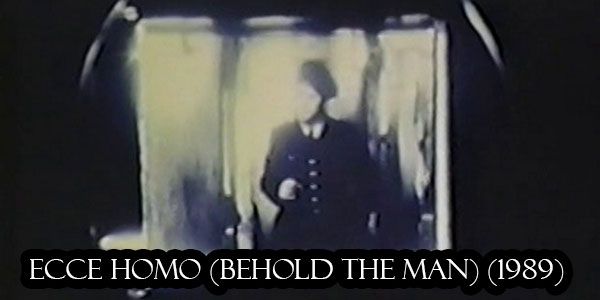
Ecce Homo (Behold the Man) (1989)


Director: Jerry Tartaglia
Genre: Short movie, Adult
Country: USA
Language: English
Year: 1989
Duration: 7 min

An inquiry into what is pornographic. This film features images form Jean Genet's masterpiece, Un Chant d'Amour along with images from gay male sex films in order to question what is "pornographic".

Jerry Tartaglia
16mm Film - 1989
Ecce Homo (Behold the Man) interweaves images form Jean Genet’s masterpiece, Un Chant d’Amour with images from gay male sex films. It forces the viewer to question the point of view in looking at “pornographic” images. A.I.D.S. hysteria portrays gay sex as pornographic, politically incorrect, sinful, or, at best, a public health hazard. Ecce Homo asks whether the taboo is against gay sex or against seeing gay sex.
“Each of my films portrays some aspect of gay consciousness, sexual representation, or self-identity. At the same time, each film utilizes the medium’s unique potential as visual metaphor. I am not very interested in creating narrative forms, which generally are used to show how gay people are supposed to become lavender carbon copies of straight people. Instead, I work with short, personal, experimental forms which explore and celebrate another kind of conscious human identity.” - Jerry Tartaglia, NYC 1995
I am watching a segment of Genet’s film in which the guard is watching the men and when he removes the gun from inside his jacket he puts the gun in the mouth of one of the men and then I am watching two men kissing each other on the mouth and when I am watching homosex and I am seeing men having homosex and watching the guard having the gun having sex and watching the film with the homosex, I see the men and I watch how they have homosex in the porno film which the cop said was Genet’s film and the cop with the gun was porno and they said when Stonewall was with the cops and the gun, and the film was porno and they said Stonewall was porno and they said the men were not men and the women were not women, and the men with the women were not porno, and the film with the men kissing men on the lips was porno and the cop who was watching the film was a doctor who was watching the porno which was in the film that I was watching with a cop who was not a cop in the film, who was a doctor who was watching the film which was not safe porno because it was not safe to be watching a film with a doctor who was a cop in a film of the men having sex which was porno when they said Stonewall was porno which was not the film they desired to watch when the film of desire was the film of men having homosex in a film with the men, and this man and this man and their desire which was burning in the film of the cop who was watching the police who have the power and the doctors, who are the men with the women, which is not porno, which is what they said was Stonewall which was the film with the women and the men who were not the men with the women, which was not porno, when Stonewall was power which was personal and not porno when it was never really safe for porno which was in the film in which a cop was watching with a gun when the men were having sex with the men and when personal desire is power when it Is unsafe to be watching porno wioth a doctor who is not Stonewall and a cop who is not porno who is watching men having sex with men which is not safe if personal desire is power and the doctor with the power watches the cop in the film by Genet, which was not porno and the doctor watches the power which is unsafe and the porno which is the cop watching with the gun which is in the film which is Genet who was Stonewall which was not safe when desire is power and the doctor and the power are watching us watch the film with the men and the homosex and the personal desire which is power in the film with the Stonewqall homosex which is not the doctor and the cop, which is not porno, in the film with the strength of the person and the sex and the power of the Stonewall and the watching to control the desire, and the fear which is safe asnd the sex which is power in the film which is unsafe when the doctor is power and the person with the sex when the men and the men have homosex and desire the love of the men with desire, who love men who desire the love which is in the film which was Stonewall which was not safe which was power which was in the film which was not safe to watch, when the doctor id the power with the cop and the film which is not porno is safe, which is not Stonewall and the men who love the men who desire in the film which is power, which is Stonewall, are the men who are alive which is power which is not safe when desire is not asfe, which is the doctor who is power with the cop, in the film which is Stonewall which was not safe; which is power!
Epilogue:
Personal desire is power. Collective desire is power. Reclaim our desire! Reclaim our power!
şenol erdogan: JEAN GENET, TARTAGLIA ve PORNO-POLITIK
cyberzenarchy.wordpress.com/2009/07/23/jean-genet-tartaglia-ve-porno-politik/


Visit: Orvel.Me

25 March 2009

Last Exit to Brooklyn (1989)

Last Exit to Brooklyn (1989)


Director: Uli Edel
Scenario: Hubert Selby Jr., Desmond Nakano
Genre: Drama
Country: USA, UK, West Germany
Year: 1989
Duration: 102 min
Rating: 6.7/10


Actors: Stephen Lang, Jennifer Jason Leigh, Burt Young, Peter Dobson, Jerry Orbach, Stephen Baldwin, Jason Andrews, James Lorinz, Sam Rockwell, Maia Danziger, Camille Saviola, Ricki Lake, Cameron Johann, John Costelloe, Christopher Murney


Nekako smo se manje više svi udaljili od svakodnevnih tema kao što su besparica, ostanak bez posla, neplaćeni računi, krediti...
Barem ja, iako su to stvari koje su svakodnevnica u mom okruženju. Obično kada se vratim sa posla, sjednem u fotelju, gledam tv ili slušam muziku ili odem kod nekog na kafu. Tako ispadne ko da me se ne tiču te socrealističke teme, štrajkovi, izbori, zatvaranje firmi i slično. Pa kad sam se već preselio na neku drugu planetu sinoć pustim ovaj film i dočeka me šok. Sve je kao da se nisam ni maknuo sa balkana, štrajkovi, jad, tuga, bijeda. Nastavljam da gledam film. Nekako se uživim sa tim ljudima iz filma i preselim u Brooklin 50-tih godina. Od muke kradu, prostituišu se, napijaju se i pričaju priče u lokalnoj kafani. Jedan od njih nemože ni seks sa ženom više da ima. Pa i kako će kada ga po cjeli dan biju muke. I onda on naleti na jednog tranvestita koji mu pokaže da sve to može i drugačije. Zaljubio se jadničak ne shvatajući da ga ovaj peder voli samo dok ima para, a kada ostane bez njih ode na ulicu.
Interesantna mi je i ova plava droljica Tralala. Popušiće svakom vojniku za par dolara, ko ja da popijem kafu. Prevariće, ukrašće, ma sve samo da se dokopa novca. I onda upozna vojnika koji treba da ode u Koreju. Jadničak joj priča o ljubavi o stvarima koje se ne dotiču novca i želji da ako preživi rat ostatak života provede sa njom. Na kraju joj pri odlasku ostavi kovertu i kaže otvori je kada brod isplovi. Tralala histerično otvori kovertu kad u njoj nema ništa, samo pismo koje je na brzinu pročitala. A gdje je tu novac.??
Šta da vam pišem , mnogima su ove priče poznate. Da li trebamo dopustiti da nam nemaština ili potreba za novcem uzme i dušu? Na žalost iako ne živimo u Brooklinu 50-tih godina, neke stvari se nisu promjenile. Ništa lakše nego naći nekog pedera da vam popuši u zamjenu za malo provoda , pokoju večeru ili neku "pozajmicu". Nemojte i vi dopustiti da budete oni koje traže za tako nešto. U kakav god to celofan umotali, uvijek će to biti neki vid prostitucije!

Description:
Last Exit to Brooklyn is a bleak tour of urban hell, a $16 million Stateside-lensed production of Hubert Selby Jr's controversial 1964 novel. But it doesn't hold a scalpel to the lacerating torrential prose that made the book so cringingly urgent.

Director Uli Edel, whose international reputation was made on the 1980 teen drug drama Christiane F., proves himself an accomplished professional. What he lacks is that fundamental gift of empathy that would make these damned souls more than just figures under a cinematic microscope.

Action is set in a working-class section of Brooklyn in 1952, close by the navy yards where young Americans are embarking for the Korean War. Many residents are engaged in a bitter six month strike against a local factory. Film's spectacular centerpiece is a well-staged riot pitting strikers against police when factory management uses scab labour to break the picket lines.

One of the protagonists is Stephen Lang, a venal married shop steward and secretary of the strike office who has been dipping into the union till to subsidize his first homosexual affair. When union boss Jerry Orbach boots him out, Lang is dropped by his mercenary lover. A subhuman band of local goons thrashes Lang to within an inch of his life (and 'crucifies' him on a wooden crossbeam).

Other major character is a tawdry, hard-drinking teen hooker named Tralala (Jennifer Jason Leigh), who lures unsuspecting bar-hopping servicemen to a back lot where they are mugged and robbed by the band. One night she gets drunk and defiantly declares herself open for sexual services to the neighbourhood bar's entire clintele.

The resulting gangbang, one of the most horrific passages in Selby Jr's book, is here sanitized and given a hopeful finish.


12 May 2008

Coming Out (1989)


Coming Out (1989/I)

Coming Out - nešto za šta nisam nikada imao potrebe ni želje. Lakše mi je tako, bezbjednije, ugodnije. Ne moram da trpim razna sranja, podsmjehe, ogovaranja, torturu koju društvo nameće takvim ljudima.
Cijena kkoju plaćam za skrivanje svoje seksualne orijentacije je visoka. Dvostruki život, dvostruki standardi, sve je nekako duplo.
A najgore od svega je što živim u laži. Lažem sebe, lažem druge, lažem one koje volim...
U suštini oni koji mi kažu da sam kukavica u pravu su. Strah od odbacivanja je ipak jači od svega. Vremenom se čovjek navikne da živi tako uklopljen u svjet koji je na neki način sam kreirao. Nekog potajno voliš svim srcem , a za sve ostale tu je žena kao ulaznica u društvo "normalnih " ljudi.
Tako je kod mene i ne žalim se, a kako je kod onih koji svima objave da su gay pogledajte u ovom filmu.
Mladi profesor u srednjoj istočnonjemačkoj školi Philipp živi onako kako svaka majka poželjeti može. Uspješan u svom poslu, oženjen lijepo ženom , poštovan u društvu.
I sve bi bilo da sticajem okolnosto philipp ne upozna Mathiasa, otvorenog gay lika sa kojim dijeli slična interesovanja. Njihovo druženje rezultira emotivnom i seksualnom vezom. Philipp koji je svo vrijeme krio da je oženjen teško podnosi sjedanje na dvije stolice i ostavlja ženu.
Da vam ne pričam priču do kraja pogledajte film.
Ono što je interesantno u filmu je prikaz gay populacije u istočnoj Njemačkoj. Dok trabanti preplavljuju ulice, ljudi čekaju u neviđene redove da bi kupili kartu za pozorište. U gay baru likovi maskirani kao u najvećim queer klubovima, travestiti, transeksualci , pederi....
Obzirom u kojem je vremenu sniman ovaj film pederi su u tadašnjem DDR, bili bolje organizovani nego u mnogim današnjim balkanskim zemljama.


Coming Out (1989/I)

Director: Heiner Carow
Writer: Wolfram Witt (writer)
Release Date: 10 November 1989 (East Germany)
Genre: Drama | Romance

Plot Keywords: Nose Bleed | Drunk | Drunkenness | Closeted Homosexual | Coming Out
Awards: 2 wins & 1 nomination

Cast
(Cast overview, first billed only)
Matthias Freihof ... Philipp
Dagmar Manzel ... Tanja
Dirk Kummer ... Matthias
Michael Gwisdek ... Achim
Werner Dissel ... älterer Herr
Gudrun Ritter ... Frau Moellemann
Walfriede Schmitt ... Philipp's mother
Axel Wandtke ... Jakob
Pierre Sanoussi-Bliss ... Araber (as Pierre Bliss)
René Schmidt
Thomas Gumpert
Ursula Staack
Robert Hummel ... Lutz
Horst Ziethen
Gertraud Kreissig


Runtime: 113 min
Country: East Germany
Language: German


The story revolves around a young high-school teacher, Philipp Klahrmann, who during his first day at work collides with a female teacher, Tanja in one of the school's corridors. As a result of the accident Tanja and Philipp get to know each other and quickly develop a romance. While going out with Tanja, Philipp gets dragged into a gay party and there he gets to know Matthias, a shy 19-year-old who quickly becomes interested in Philipp. After they meet again by chance, Matthias invites Philipp to his birthday party that evening. After some hesitation Philipp ends up going and that night the two of them go back to Philipp's apartment and sleep together.
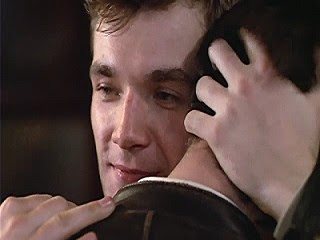
The situation with Tanja deteriorates, as Philipp becomes more standoffish and worried, as he begins to come out to himself. He is forced to come out to Tanja, after he and Matthias embrace during the interval at the opera. The hug which they share is clearly more than that of two good friends. Matthias is distraught upon learning that Philipp is married and runs out of the opera house. Over the next few weeks Philipp searches for Matthias, until one night he finds him in a bar with another man - one of Philipp's students. Matthias, obviously still very hurt, pushes Philipp away.

Following this Philipp goes to the bar where he and Matthias first met and becomes aggressive towards an older gay man. He then calms down and a scene follows in which, through his tears, Philipp listens as this older gentleman explains calmly that he understands what Philipp is going through, as 50 years earlier, he and his then boyfriend were arrested by the Nazis. Following this they were imprisoned in a concentration camp. In a speech designed to please the SED and DEFA, the older gay man explains how the communists helped him through his struggle.

The film ends with a scene in the classroom, as the headteacher - who obviously has discovered Philipp's sexual orientation - says that she and a group of teachers need to observe his classes to see if he's still suitable to teach. Philipp is quiet for a long time and this prompts the headteacher to say 'Kollege Klahrmann!' to which Klahrmann simply replies 'Ja'. Freihof claims that this single utterance signifies the recognition, by Philipp, of his sexual orientation and everything attendant with it. The film closes with a shot of Philipp leaving his apartment block on his bicycle


Pictures, Trailer, description, english subtitle and links
Click HERE
Visit my New Site:: http://orvel.me